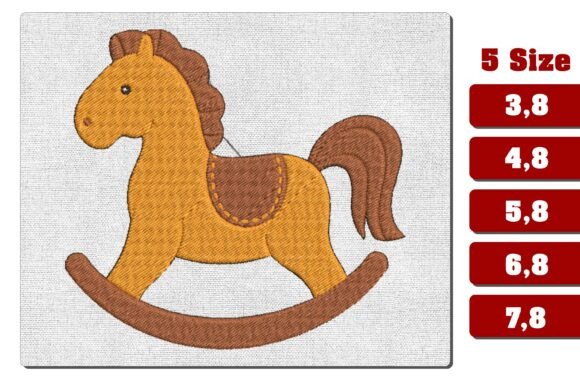
Vintage Rocking Horse Machine Embroidery
A Designer’s First Look: Charm, Clarity, and Quiet Confidence
When I opened the Vintage Rocking Horse Machine Embroidery file for the first time, what struck me wasn’t just the nostalgic silhouette—it was how immediately *usable* it felt. This isn’t a fussy, over-rendered illustration masquerading as embroidery. It’s a clean, balanced machine embroidery design with gentle curves, intentional negative space, and subtle articulation in the mane and tail—just enough detail to read clearly at 4.8 inches, but not so much that it collapses on small hoop sizes or thin fabric. As someone who’s stitched hundreds of baby-themed designs for boutique clients and Etsy sellers, I appreciate when a design respects both the needle and the viewer’s eye. This one does.
Real Project Test: A Linen Baby Tote Bag for a Local Nursery Boutique
Last week, I prepped a custom order: a set of three linen tote bags for a new baby boutique launching its holiday gift line. Their brief? “Timeless, soft, heirloom-adjacent—but no glitter, no cutesy fonts, nothing that’ll date in two years.” The Vintage Rocking Horse Machine Embroidery landed perfectly. I chose the 5.8-inch size—not too dominant on the 12"x14" bag front, not too timid either. Stitched on medium-weight linen with tear-away + light cut-away stabilizer, it held crisp satin-stitch edges on the horse’s outline and smooth fill-stitch body without shadowing or puckering. Customers responded strongly in preview mockups: one wrote, “It feels like something my grandmother would’ve embroidered—but made for today.” That’s the sweet spot.
Where It Shines (and Where to Pause)
This machine embroidery design excels in projects where warmth and quiet sophistication matter:
- Custom apparel: Works beautifully on cotton sweatshirts and lightweight denim jackets—especially at 4.8"–6.8". The shape anchors well on chest placements and avoids distortion on curved seams.
- Baby embroidery: Ideal for onesies, burp cloths, and blanket corners. Its gentle proportions avoid overwhelming tiny garments, and the lack of fine interior lines means fewer skipped stitches on knit fabrics.
- Embroidered patch: At 3.8", it cleans up nicely as a sew-on or iron-on patch—great for aprons, backpacks, or nursery wall hangings.
- Holiday embroidery & personalized gifts: Paired with neutral thread (ecru, charcoal, dusty rose), it reads as thoughtful—not trendy—making it strong for Christmas, baby showers, or adoption announcements.
That said, proceed with care on:
- Stretchy fabric: Requires excellent stabilizer pairing—test before committing to a full run of t-shirt orders.
- Textured or napped fabrics (like terry cloth or heavy fleece): Opt for the 5.8" or larger size to ensure stitch definition holds; smaller versions may lose clarity in the pile.
- Curved surfaces (caps, hats): Stick to 4.8" max and confirm your cap frame accommodates the design width comfortably—no guesswork.
- Dark fabric: While the design’s open layout helps, always test thread color contrast. A slightly heathered charcoal thread on black twill reads richer than pure black.
What It Does for Your Craft Business—Beyond the Stitch
As an Etsy seller and small shop product developer, I judge designs not just by how they stitch—but by how they land with buyers. The Vintage Rocking Horse Machine Embroidery elevates perceived value without demanding premium pricing. It signals care, intention, and design literacy—whether you’re listing a handmade product or building a cohesive boutique branding suite. Customers consistently describe pieces featuring this design as “calm,” “thoughtful,” and “made-to-last”—keywords that convert browsing into buying. For digital product sellers, it’s also a strong candidate for printable mockups: its balanced scale and clear silhouette render cleanly across devices and backgrounds.
Practical Designer Notes Before You Stitch
Before adding this digital embroidery file to your next project or product line, take these five minutes:
- Test on scrap fabric—same type and weight as your final piece—and check for pull, density, and edge sharpness.
- Review stitch density: If your machine flags high-density areas (common in satin-stitch manes or hooves), consider reducing density slightly—especially for baby items needing softness.
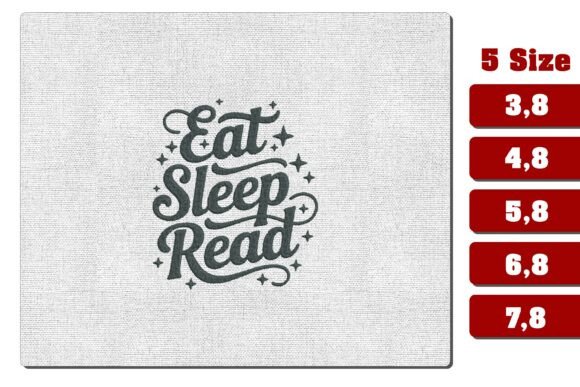
- Confirm hoop size: All five sizes (3.8", 4.8", 5.8", 6.8", 7.8") are usable, but match each to your most common hoops to minimize re-hooping mid-project.
- Inspect small details at 200% zoom: Are hooves distinct? Is the rocking base legible? Tiny gaps can vanish in stitching if not designed intentionally.
- Check licensing: Since this is a commercial embroidery file, verify whether resale of finished items or redistribution of the design itself is permitted—don’t assume.
Final Thought: A Design That Serves the Maker and the Market
The Vintage Rocking Horse Machine Embroidery doesn’t shout. It doesn’t need to. In a market saturated with hyper-detailed animals and cartoonish motifs, this design stands out by honoring restraint—clean lines, purposeful spacing, and a mood that feels both personal and polished. Whether you’re stitching a single personalized gift or scaling production for a craft fair line, it delivers consistency, charm, and quiet professionalism. And for anyone curating a craft business around authenticity—not algorithm-chasing trends—that’s worth more than any stitch count.