Ottoman Chain Scroll Border Embroidery
A Baroque Touch That Elevates Boutique Apparel
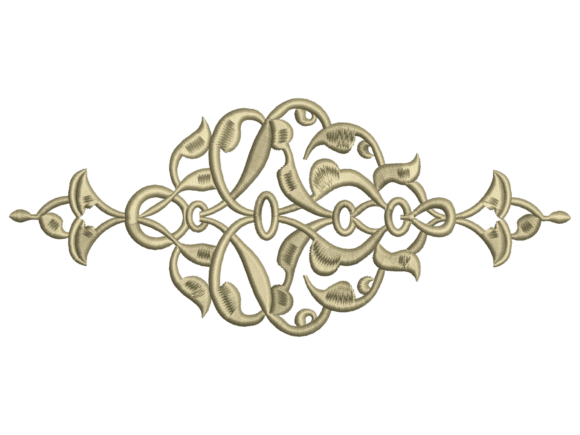
As an embroidery designer who’s stitched hundreds of collections for small clothing brands and Etsy sellers, my first impression of the Ottoman Chain Scroll Border Embroidery was immediate: this isn’t filler—it’s finish. The moment I opened the file, I saw a horizontal design built for presence—not noise. Interlocking scrolls flow with rhythmic confidence, delicate leaf accents soften without sacrificing structure, and that central oval filigree adds just enough ornate restraint to feel timeless, not fussy. It reads as premium, classic, and quietly feminine—never costume-y or dated. For boutique apparel, that distinction matters. This isn’t a trend-chasing motif; it’s a signature element you can build visual consistency around.
How It Performs on Real Sweatshirt & Hoodie Projects
I tested the Ottoman Chain Scroll Border Embroidery across six neutral sweatshirts (heather grey, oatmeal, charcoal) and three pastel hoodies (dusty rose, sage, sky blue). On chest placement—centered just below the collarbone—it created instant sophistication without overwhelming the garment’s relaxed silhouette. The scroll rhythm echoes the natural drape of knits, and the filigree detail holds up beautifully even at 3.5 inches wide. As a sleeve accent on oversized hoodies? Elegant. Positioned mid-bicep on a rolled sleeve, it signals intentionality—like the wearer chose every detail. On back designs, it works best as a subtle horizontal band across the upper back, just below the yoke seam—especially on dark apparel where thread contrast (think matte black or deep navy thread on charcoal fleece) makes the filigree pop without glare.
Beyond Sweatshirts: Versatility Without Compromise
- T-shirts: Works best on structured cotton blends—not slouchy jersey. Place it low on the left chest or as a clean hem border on boxy tees.
- Denim jackets: A standout on the back yoke or cuff edge. The Baroque formality balances denim’s casual texture beautifully.
- Tote bags: Ideal for the top fold or side panel. Holds crispness on canvas and gives handmade products instant shelf presence.
- Cozy seasonal layers: On cable-knit cardigans or fleece-lined loungewear, it adds refined contrast against organic texture—perfect for holiday or spring capsule collections.
Where Precision Matters Most
The Ottoman Chain Scroll Border Embroidery demands thoughtful placement—not because it’s finicky, but because its strength lies in balance. Avoid tight curves like shoulder seams or deep armholes; the scrolls lose legibility when distorted. On stretchy fabric (like French terry or lightweight fleece), use medium-weight cutaway stabilizer and test stitch density—dense fill areas in the filigree need support to prevent puckering. Ribbed fabric? Hoop gently and consider floating stabilizer underneath to avoid distorting the ribs. And on dark garments: confirm your thread colors offer enough tonal contrast—the delicate leaf accents vanish if thread blends too closely with base fabric.
Impact on Brand Identity & Customer Trust
This isn’t just decoration—it’s brand punctuation. When your small shop product features the Ottoman Chain Scroll Border Embroidery, customers subconsciously register care, continuity, and craftsmanship. On Etsy listings, it elevates your printable mockup instantly—no extra graphics needed. In lifestyle product photos, it draws the eye to where you want attention: the chest, the cuff, the bag’s opening. Social media graphics gain cohesion when the same border appears across hoodie flat lays, tote bag shots, and Instagram Stories. Over time, that repetition builds recognition—not just for the item, but for your boutique brand’s aesthetic language. Buyers trust consistency. They return for the feeling—not just the sweatshirt.
Practical Designer Notes Before You Stitch
- Always test the Ottoman Chain Scroll Border Embroidery on scrap fabric matching your final garment—especially for fleece, ribbed knits, or textured weaves.
- Review stabilizer choice carefully: medium cutaway for most knits, tear-away for stable wovens like denim or canvas.
- Check thread color contrast on your actual fabric swatch—not just screen preview. Matte threads often read truer than shiny ones on cozy textures.
- Confirm hoop size compatibility with your machine before digitizing adjustments—this is a horizontal design, so width matters more than height.
- Inspect stitch density in the filigree zones. If your machine struggles with fine detail, consider lightening density slightly—but only after testing.
- Compare placement options on a garment mockup: chest, sleeve, back yoke, hem. Small chest placement (under 4” wide) keeps focus intimate; full-width placement commands attention.
- Before selling finished apparel, review the Creative Fabrica product details and licensing terms for commercial embroidery use—especially if producing for clients or wholesale.
Final Thought: A Design That Serves Your Vision
The Ottoman Chain Scroll Border Embroidery doesn’t shout. It settles in—refined, assured, and deeply wearable. For embroidery shops building custom apparel programs, for Etsy sellers curating seasonal drops, for small clothing brands defining their voice: this is the kind of Creative Fabrica embroidery file that earns repeat use. It bridges heritage craft and modern minimalism. It transforms a basic sweatshirt into a statement piece—and does it with zero gimmicks. In a market flooded with fast trends, choosing a machine embroidery design like this signals that your brand values longevity over novelty. That’s not just smart design. It’s quiet confidence, stitched in.