Happy Camper, Camping Embroidery
A Warm First Impression for Personalized Gift Makers
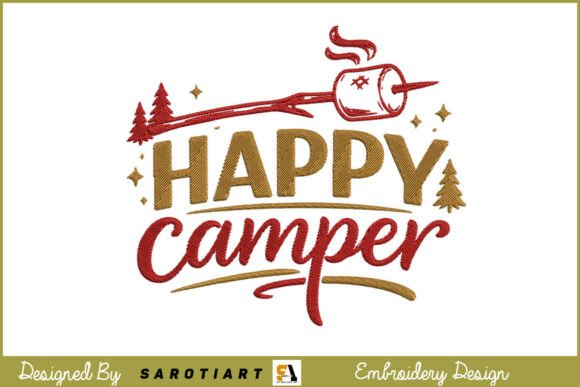
As an embroidery designer who’s stitched thousands of custom orders—from baby blankets to wedding keepsakes—I opened Happy Camper, Camping Embroidery with quiet anticipation. What greeted me wasn’t just a motif—it was a mood: cozy, nostalgic, and gently playful. The image of a perfectly toasted marshmallow on a rustic stick evokes campfire warmth, shared stories, and unhurried joy. It’s not overly detailed or fussy—no tiny flames or intricate wood grain—but it *feels* handmade, intentional, and emotionally resonant. This isn’t a generic camping clipart; it’s a thoughtful machine embroidery design that balances charm with clarity. It reads sweet without being cutesy, rustic without feeling dated, and timeless without sacrificing personality.
Where This Design Shines in Real-World Gifting
Happy Camper, Camping Embroidery is quietly versatile—especially for makers who prioritize emotional connection over trend-chasing. For baby embroidery, it adds gentle whimsy to organic cotton swaddles or muslin burp cloths—ideal for the outdoorsy parent who dreams of future family hikes. On a linen pillow cover or embroidered towel, it becomes a conversation starter in a mountain cabin rental or a modern farmhouse kitchen. As a wedding gift, it’s unexpectedly meaningful for couples who met on a trail, eloped in a national park, or simply value simplicity and presence over extravagance. Stitched onto a canvas tote bag or apron, it signals authenticity—a small shop product that feels curated, not mass-produced.
Nursery decor gains instant character when this design anchors a framed hoop or coordinates with woodland-themed mobiles. For craft fairs and Etsy listings, Happy Camper, Camping Embroidery stands out because it’s niche yet broadly relatable—appealing to hikers, teachers, therapists who use nature metaphors, and even grandparents gifting their first grandchild a “future explorer” blanket. And yes—it works beautifully as a custom order preview: customers instantly visualize it on their favorite item, which boosts confidence in placing that first handmade product order.
Smart Placement Matters—Here’s Where to Pause
This design excels on stable, medium-weight fabrics—but like any quality embroidery file, it needs thoughtful application. Avoid using it on stretchy baby onesies unless you’ve tested stabilizer combinations thoroughly; the marshmallow’s round shape can distort if the fabric shifts. On thick terry cloth towels, confirm stitch density won’t cause puckering—opt for lighter underlay or reduce fill density slightly if needed. Curved surfaces (like mugs or curved tote handles) require careful hooping and possibly repositioning the design to maintain proportion.
Dark fabric demands attention to thread colors: the toasted marshmallow’s golden-brown tones need contrast to read clearly—test light tan or cream thread against navy or charcoal. On textured fabrics like burlap or heavy linen, simplify expectations—the rustic stick may soften slightly, and fine details won’t pop the same way. And while it’s lovely on heirloom-quality blankets, remember frequent washing affects longevity: recommend gentle cycles and cold water to preserve the finished product’s softness and definition.
Why It Elevates Trust, Value, and Emotional Pull
Customers don’t just buy embroidery—they buy meaning. Happy Camper, Camping Embroidery delivers that quietly. Its warmth builds trust: it signals care, intention, and craftsmanship—not just speed or volume. When photographed well on a folded blanket or draped over a wooden chair, it invites engagement. Buyers linger. They imagine gifting it. They tag friends. That emotional resonance directly lifts perceived value—making it easier to price thoughtfully and justify handmade quality.
For Etsy sellers and small shop owners, this design strengthens your brand voice. It says, “We understand what makes a gift memorable—not flashy, but heartfelt.” In product photography, its balanced composition and clear focal point (that glowing marshmallow!) make styling intuitive. Pair it with pinecones, flannel, or enamel mugs, and your mockups feel cohesive—not staged. That consistency builds buyer confidence across listings and social previews.
Practical Embroidery Notes Every Maker Should Follow
Before stitching your first customer order, run these checks:
- Test on scrap fabric—match the exact material and stabilizer you’ll use for the real item.
- Confirm thread color contrast, especially for the marshmallow’s highlights and stick’s grain—light vs. dark fabric mockups reveal surprises.
- Verify hoop size compatibility. If your machine has limited throat space, ensure the design fits comfortably without re-hooping mid-stitch.
- Review stitch density. A dense fill may overwhelm lightweight cotton; consider reducing density by 5–10% for delicate items like nursery bibs or linen napkins.
- Use appropriate stabilizer: cutaway for knits, tear-away for stable wovens, and optional topping for napped fabrics like fleece.
- Check small details post-stitch: inspect the marshmallow’s curve and stick’s taper—clean edges signal professional execution.
- Confirm commercial licensing before selling finished products. If the digital embroidery file includes usage terms, read them carefully—especially for resale rights and platform-specific rules (Etsy, Shopify, craft fairs).
Finally, keep a printable mockup handy—not just for your own planning, but to share with customers during custom consultations. Seeing Happy Camper, Camping Embroidery scaled and positioned on a pillow cover or blanket helps close orders faster and reduces revision requests.
A Design That Invites Connection—Not Just Decoration
In a market flooded with fast, forgettable designs, Happy Camper, Camping Embroidery reminds us why personalized gift products endure: they carry feeling. It’s not just about stitches—it’s about shared moments, quiet firesides, and the comfort of belonging somewhere simple and true. Whether you’re embroidering a baby’s first blanket, a wedding guest book cover, or a shop’s signature tote, this design doesn’t shout. It leans in—and invites your customer to do the same.